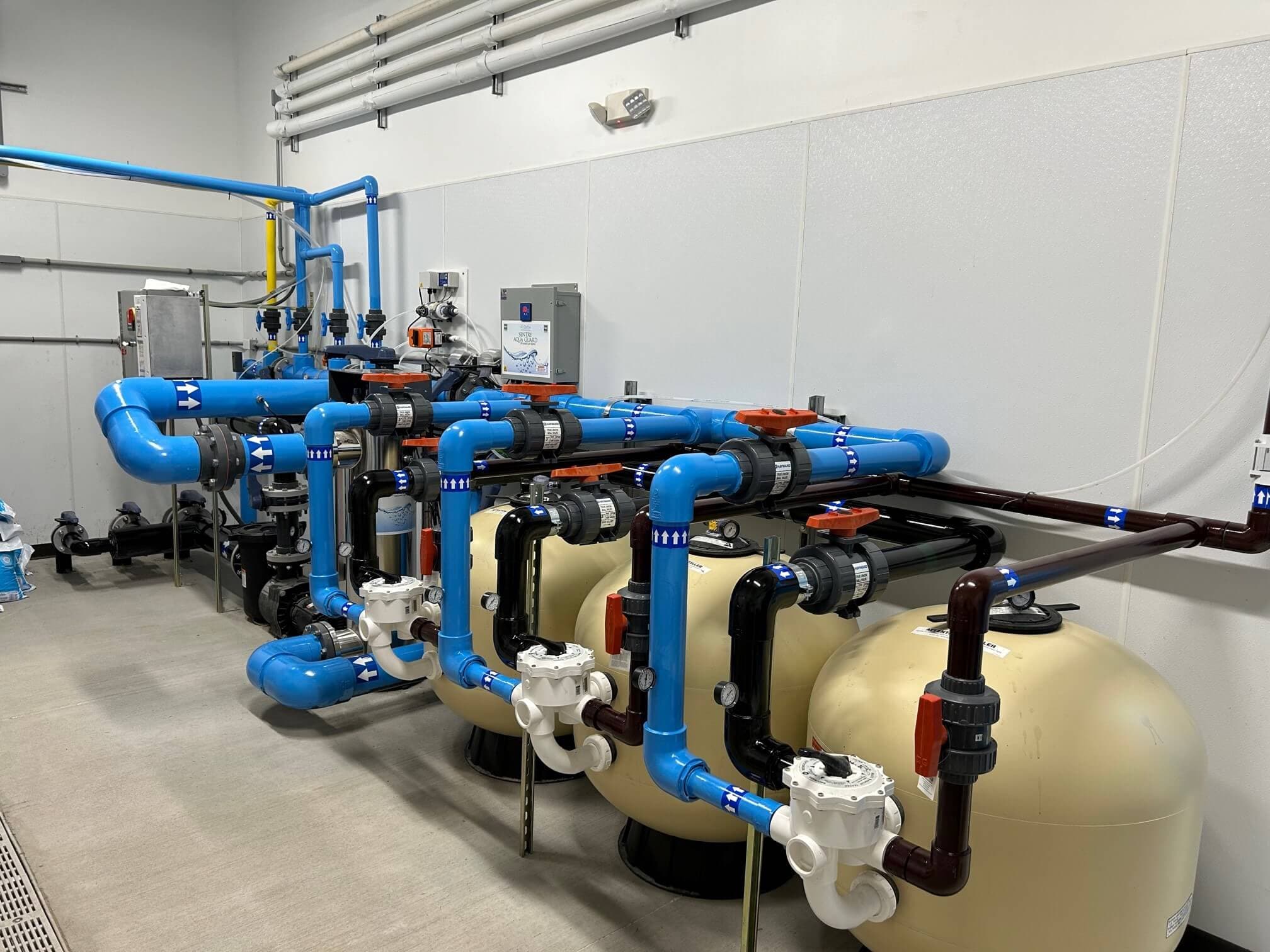
Constructing a pool in Pennsylvania involves careful planning to navigate the state's unique climate, regulations, and landscape. From understanding what drives costs to securing permits and maximizing the long-term value of your investment, this guide outlines the essential factors PA homeowners should weigh before breaking ground. If you're more interested in renovating an existing pool than building from scratch, see our services overview.
Why Plan Before You Build
A well-planned pool project pays back in obvious ways:
- Family enjoyment. A pool sized and shaped for how you actually live gets used.
- Legal compliance. Meeting local and state regulations up front avoids fines, retrofits, and stop-work orders.
- Property value. A pool that fits the property and the neighborhood can boost resale appeal — a poorly fitted one can hurt it.
- Peace of mind. Permits, safety codes, and drainage handled correctly mean you actually relax in your backyard.
Factors Influencing Pool Construction in Pennsylvania
Several factors influence what your pool will cost to build in PA:
- Pool type. In-ground concrete pools are the most expensive due to excavation and materials; vinyl-liner and fiberglass options come in lower; above-ground is cheapest of all.
- Climate. Pennsylvania's freeze-thaw cycles demand materials and construction methods that handle expansion and contraction without cracking.
- Add-ons. Heaters, automation, lighting, water features, and custom finishes all add to the price — but most of them also add to how much you actually use the pool.
- Site prep. Sloped lots, rocky soil, or limited equipment access can raise excavation and grading costs significantly.
For a deeper look at finish options that hold up in PA winters, see our pool resurfacing and tile and coping pages.
Permits and Local Regulations
Before breaking ground, securing the necessary permits is critical. Pennsylvania's local municipalities enforce varying regulations, often requiring approvals for zoning, safety, and environmental compliance.
- Pool fencing is typically mandated to meet state safety standards, with specific height and gate requirements.
- Some municipalities impose restrictions on water usage or drainage to prevent runoff into neighboring properties or storm systems.
- Setback distances from property lines, septic systems, and overhead utilities are usually defined at the township level.
Engaging local building authorities early in the planning process helps avoid delays and ensures the project adheres to all legal requirements. Working with contractors familiar with Pennsylvania building codes — including the township-level variations — streamlines this step considerably.
Maximizing Value and Long-Term Benefits
A well-planned pool can enhance both a property's appeal and how much you actually enjoy your backyard. In Pennsylvania, where the swim season is real but limited, the best returns usually come from:
- Energy-efficient heating. A modern heat pump or efficient gas heater extends usable months and keeps operating costs reasonable.
- Low-maintenance materials. Quality coping, tile, and finishes reduce annual upkeep — and survive freeze-thaw better than budget alternatives.
- Thoughtful design. A pool sized to the lot and matched to the home's architecture protects resale value instead of hurting it.
Homeowners should weigh these factors against their lifestyle and goals, ensuring the pool serves both as a personal retreat and as a sound long-term investment. If your project is a new build, see our new pool construction page; if you're considering scope across multiple Pennsylvania areas, our service areas page lists what we cover.
Ready to Plan Your Pool?
Building a pool in Pennsylvania is rewarding when it's done right — and expensive to fix when it isn't. Premier Pool Renovations has worked across the Mid-Atlantic for 20+ years and can help you plan a build that handles the climate, the codes, and your budget. Ready to start your pool project? Get a free estimate or contact our team — we serve Pennsylvania, New Jersey, and Delaware.