Pool Resurfacing
Pool resurfacing is essential for maintaining your pool's integrity and appearance. We specialize in all surface types including traditional plaster, durable quartz, and luxurious pebble finishes.
Get Free Estimate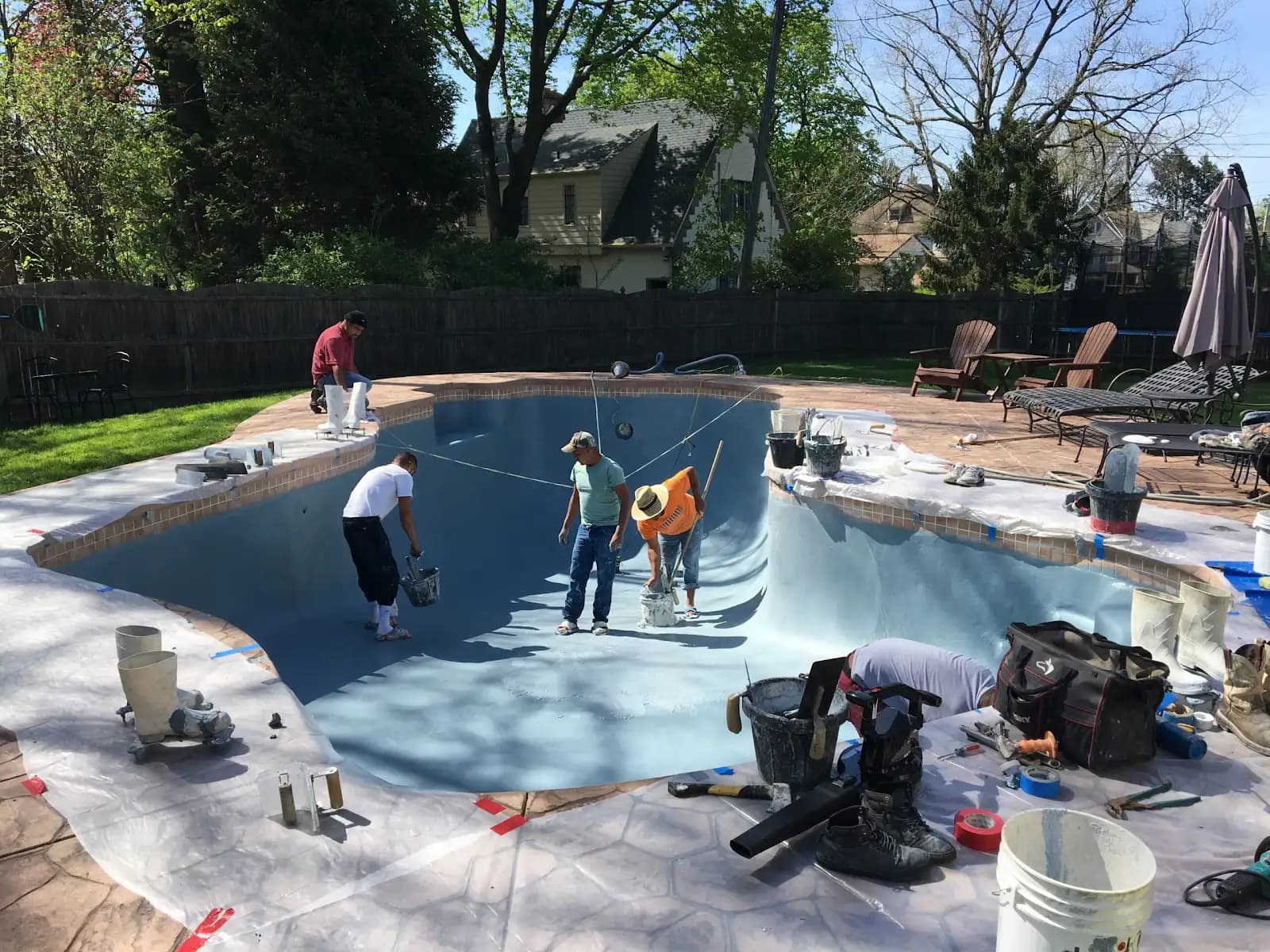
Pool resurfacing is the single most impactful project you can do to keep an older pool looking and feeling new. The interior surface is what you and your family touch every time you swim, and it is the first thing any guest notices. When it goes rough, stained, or thin, no amount of chemical balancing will save it — it is time to refinish.
Premier Pool Renovations offers three categories of interior surface across our PA, NJ, and DE service area: traditional white plaster, quartz aggregate, and exposed-pebble finishes. Each has a place. We help you pick based on how the pool gets used, your water chemistry history, and the look you are after.
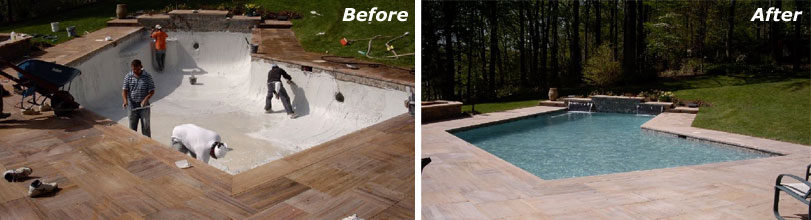
Surface options
- White plaster — White Portland cement and marble sand, the classic finish. Most economical option, with a 15-25 year service life when water chemistry is well maintained.
- Quartz aggregate — A pre-blended mix of CLI quartz crystals, white Portland cement, and polymers. Skid-resistant, dramatically more stain resistant than plaster, available in a wide range of colors.
- Exposed pebble — Smooth river-rock aggregate that gives you the look of a natural pond bottom. The most durable finish we install, with a 20+ year service life and excellent slip resistance.
- Polished aggregate — A premium finish where the pebble or quartz is mechanically polished after curing for a smooth, jewel-like surface.
Pebble finish samples
We install StoneScapes Mini Pebble products. Four of the most-requested colors and the water tone each one produces:
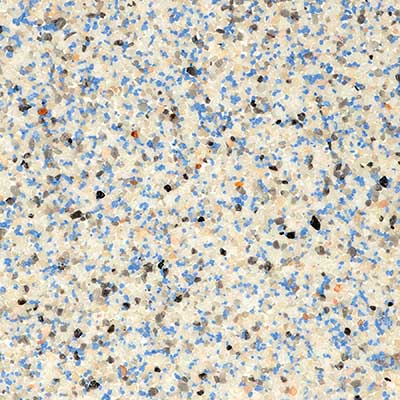
Light blue water
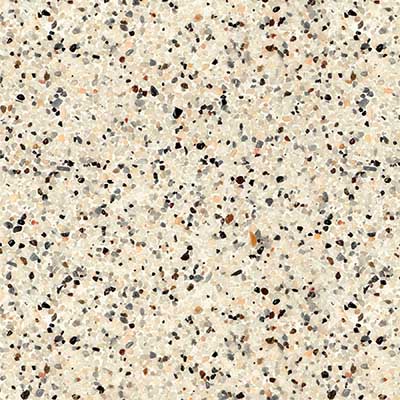
Light blue water
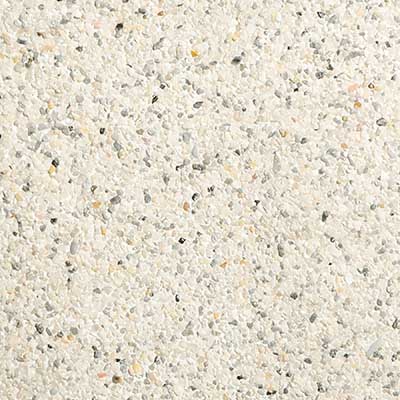
Light blue water
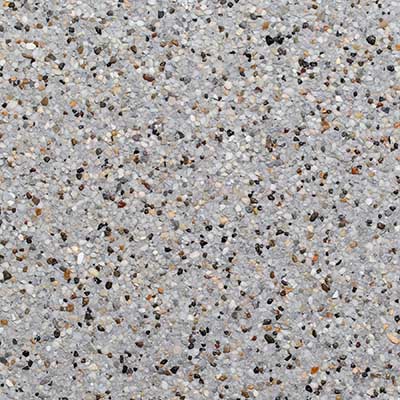
Light gray water
View the full finish-sample gallery — quartz, pebble, coping, and tile.
Quartz vs. plaster — the hardness factor
The Mohs Mineral Hardness Scale ranks the hardness of natural minerals. The marble sand in traditional pool plaster sits at about 3.0. Quartz is 7.0 — literally harder than steel (5.5). Replacing the marble component with quartz gives you a surface that resists scratching, etching, and chemistry-driven wear far better than plain plaster, which is why a properly installed quartz finish typically outlasts a plaster job by years.
Decorative mosaic accents
Many of our resurfacing customers add aquatic mosaic inlays — fish, dolphins, turtles, compass roses, custom monograms — at the floor center, on steps, or as waterline accents. We install glass and ceramic mosaic murals from the leading aquatic mosaic suppliers and integrate them with the new finish so they sit flush instead of looking glued on.

What the resurfacing process looks like
A typical residential resurfacing runs five to ten working days from drain-down to refill. We drain the pool, chip out failing material, properly prepare the substrate (sandblasting where prior paint exists, acid-etching elsewhere), apply a bond coat, hand-trowel the new finish, and start fill the same day the surface is finished. Plaster needs about 28 days of careful water chemistry to cure properly — we hand you a startup chart and check in through the first month.
Why it matters in our climate
Mid-Atlantic pools see harsh chemistry swings: spring pollen, summer rain dilution, fall leaf tannins, and winter freeze. That is brutal on plaster. Quartz and pebble finishes hold up to these swings far better than white plaster — every dollar spent on a premium surface tends to come back as fewer stains, less acid washing, and a longer interval before the next refinish.
Frequently Asked Questions
How much does pool resurfacing cost?
Cost depends on pool size, the finish you choose, and how much prep the old surface needs. As a general guide for our service area: white plaster is the most economical option, quartz aggregate runs a step above plaster, and exposed pebble — the longest-lasting finish — sits at the top of the range. Sandblasting, structural repairs, or new waterline tile add to the base resurfacing price. Every quote we provide is line-item transparent, with the surface, prep, and any extras priced separately so you can see exactly what drives the number. For a full breakdown of the cost factors, the signs you need resurfacing, and a plaster-vs-quartz-vs-pebble comparison, see our pool resurfacing cost guide.
How often does a pool need to be resurfaced?
White plaster typically lasts 15-25 years. Quartz finishes last 15-20 years. Pebble finishes can run 20+ years. Aggressive water chemistry, salt systems, or hard water can shorten any of these.
Plaster, quartz, or pebble — what should I choose?
If budget is the primary driver and your water chemistry is well-controlled, plaster is fine. If you have had staining or etching issues before, jump to quartz. If you want the longest possible service life and the most natural look, choose pebble.
Can I resurface without sandblasting?
If the prior surface is plaster or quartz, usually yes — we acid-etch and bond. If the pool was previously painted, sandblasting is required to get a clean substrate. We will tell you which applies after the on-site inspection.
How long until I can swim?
The pool fills the day the finish is troweled. Plaster needs about 7-14 days before chemical balance stabilizes enough for active use, and 28 days to fully cure. Quartz and pebble are usable within a week.
Do you guarantee against staining?
We guarantee our workmanship. The manufacturer's warranty on the finish itself ranges from 5 years (plaster) to 15 years (premium aggregate) and is conditional on properly maintained water chemistry — which we walk you through after refill.
What's Included
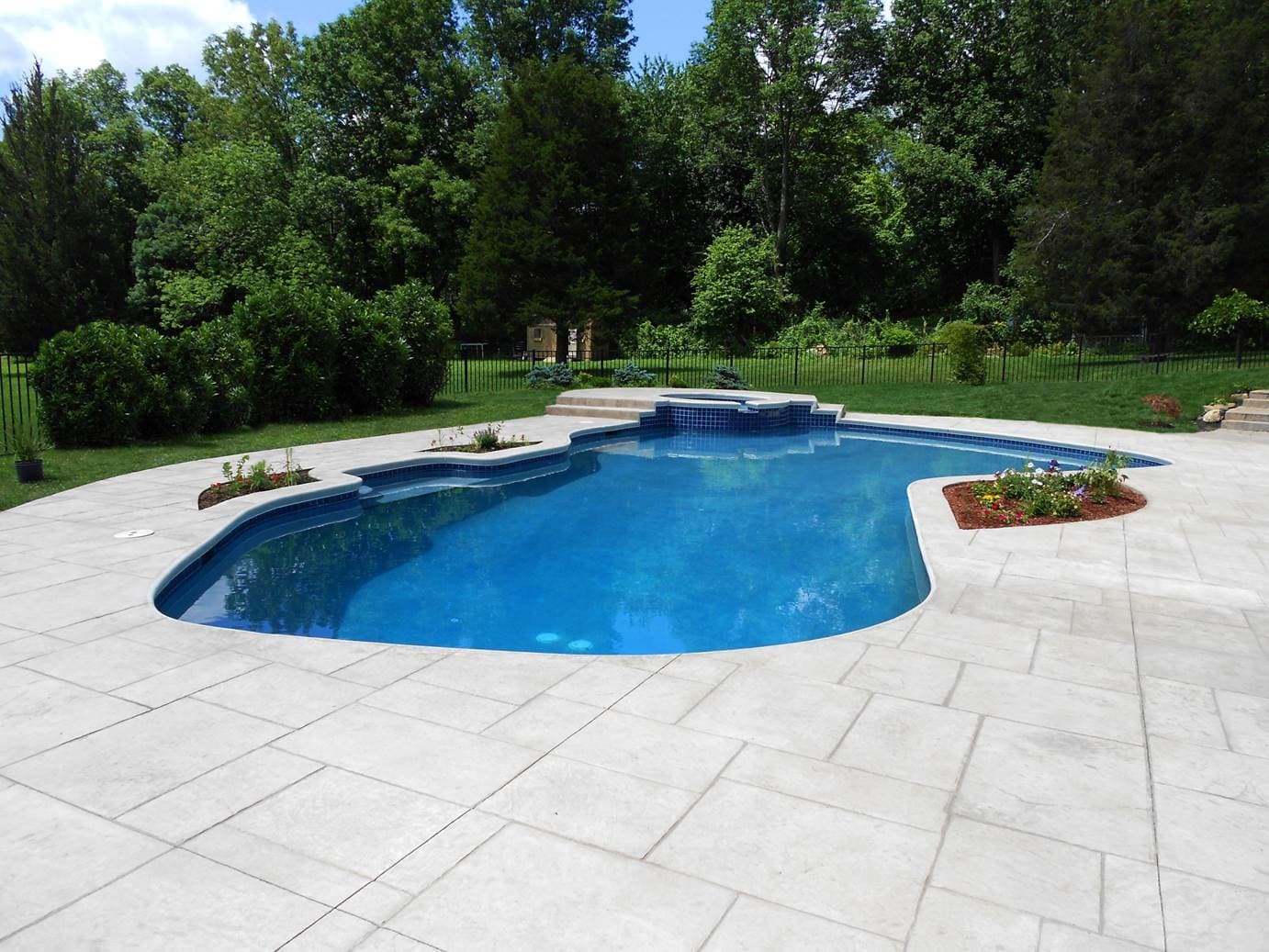
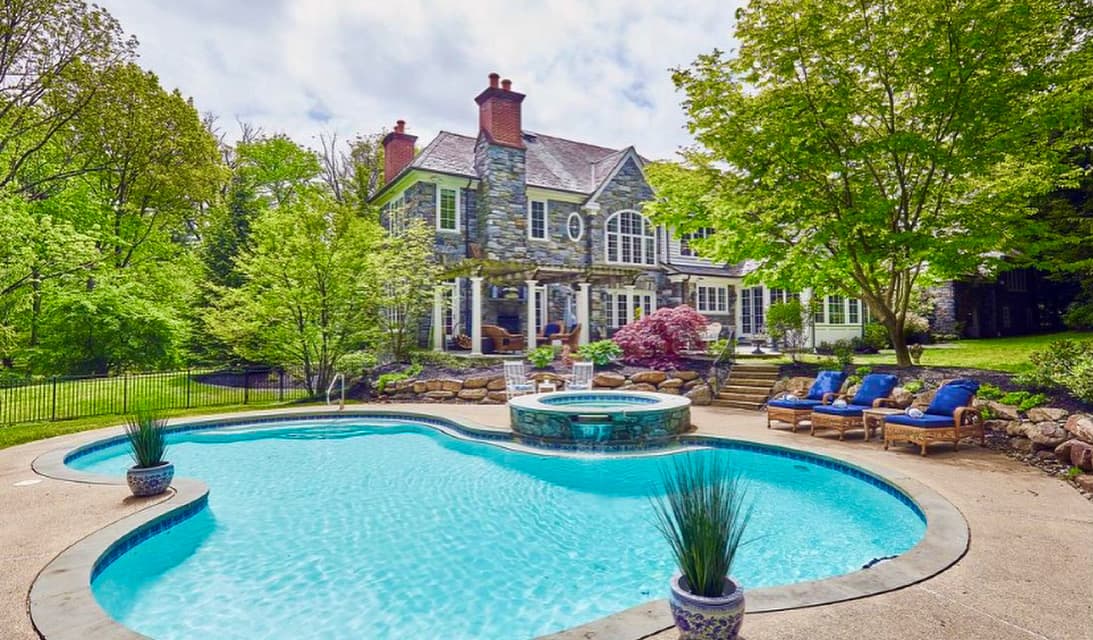
Pool Resurfacing Projects
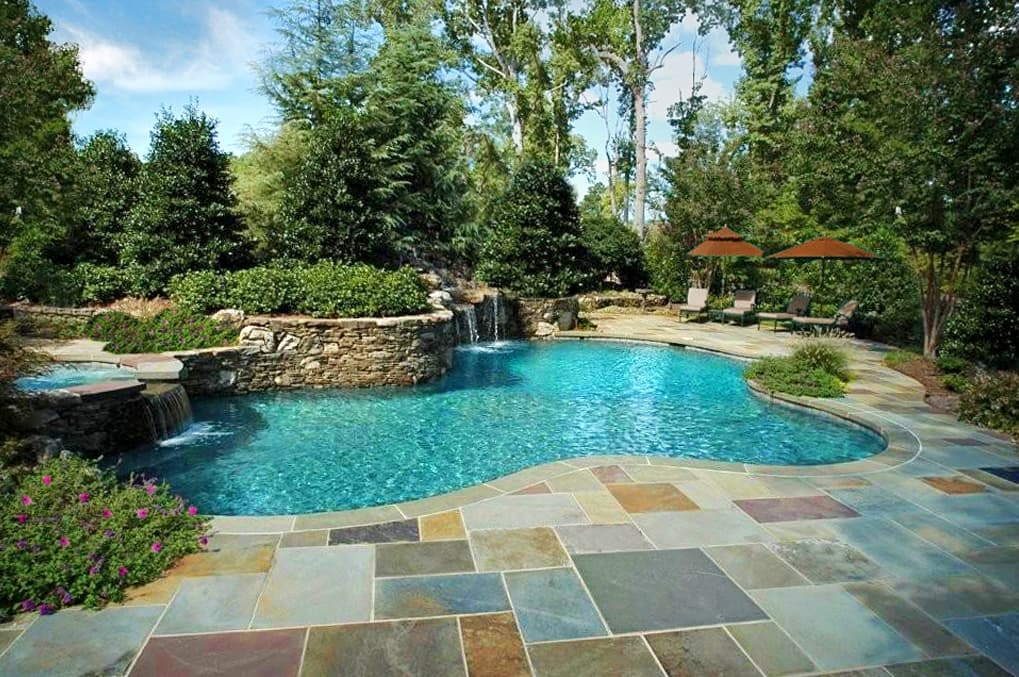
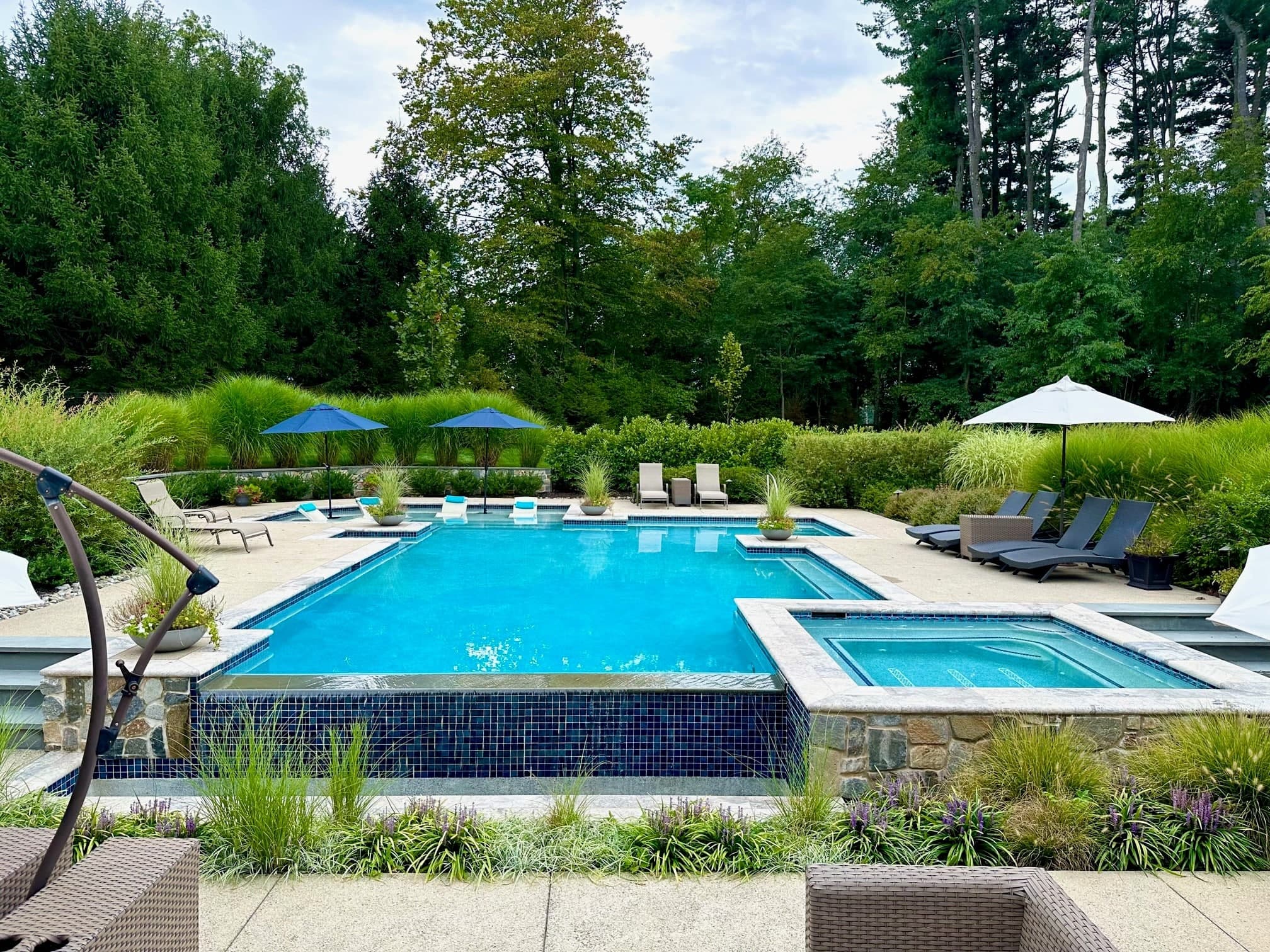
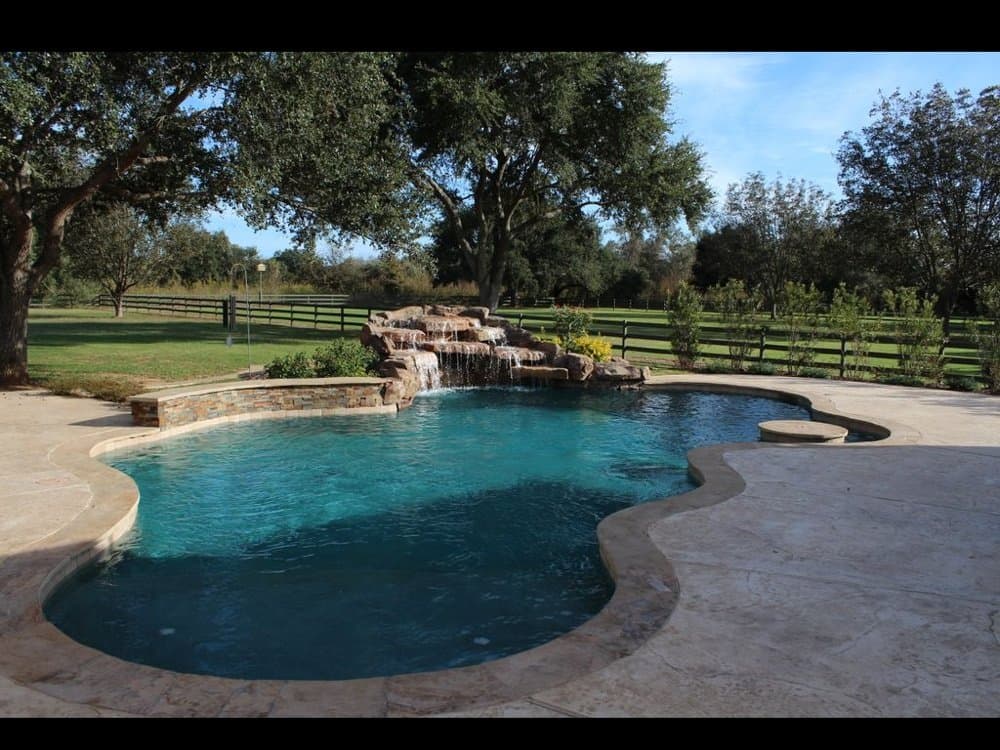
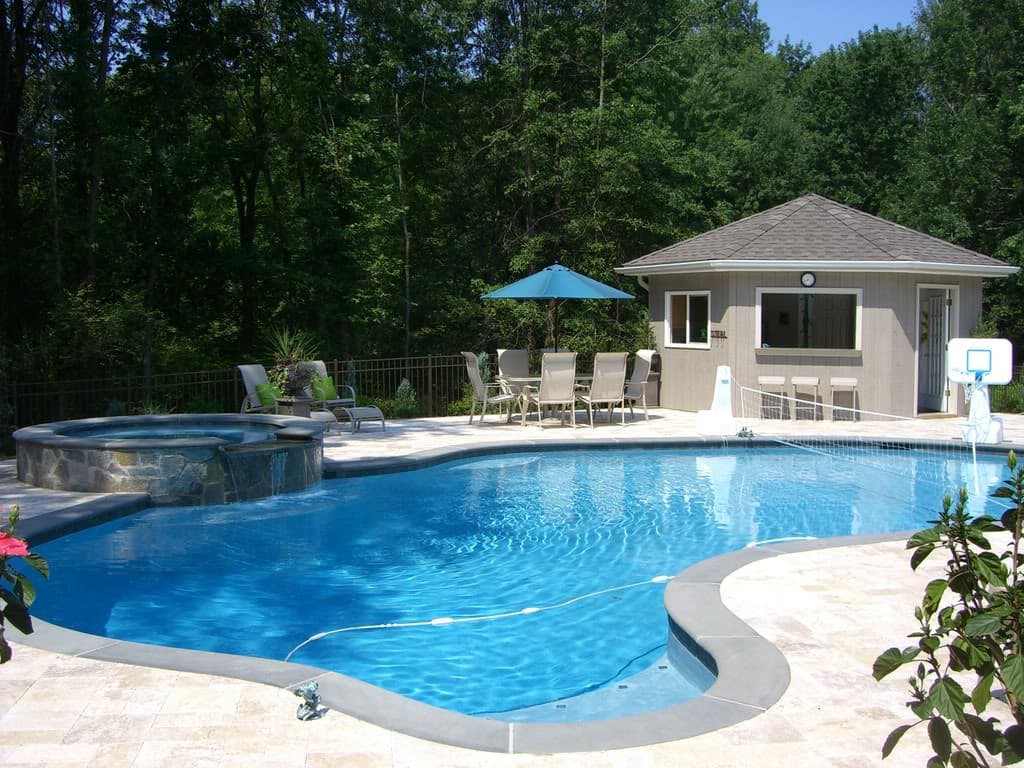
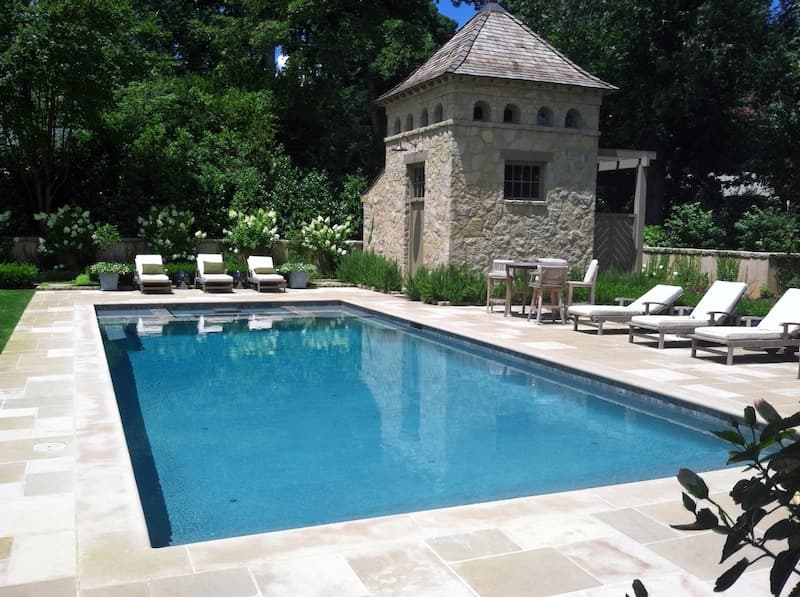
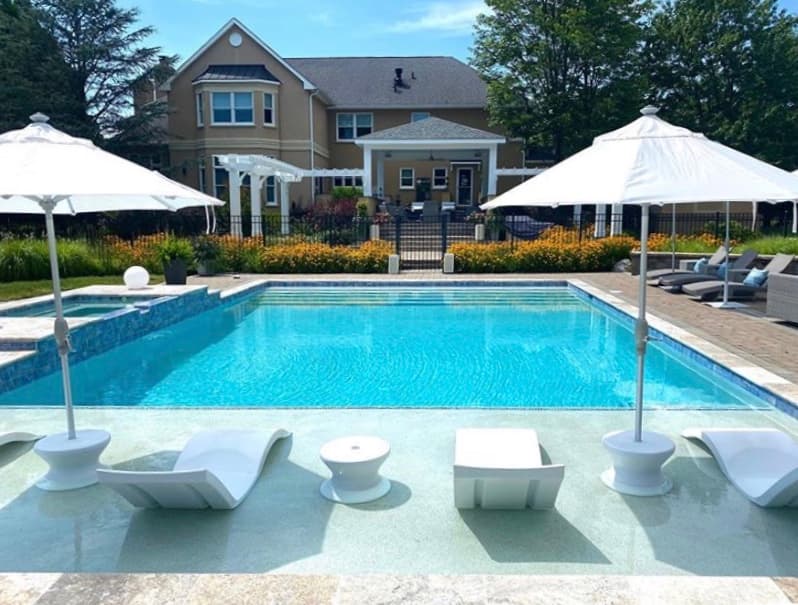
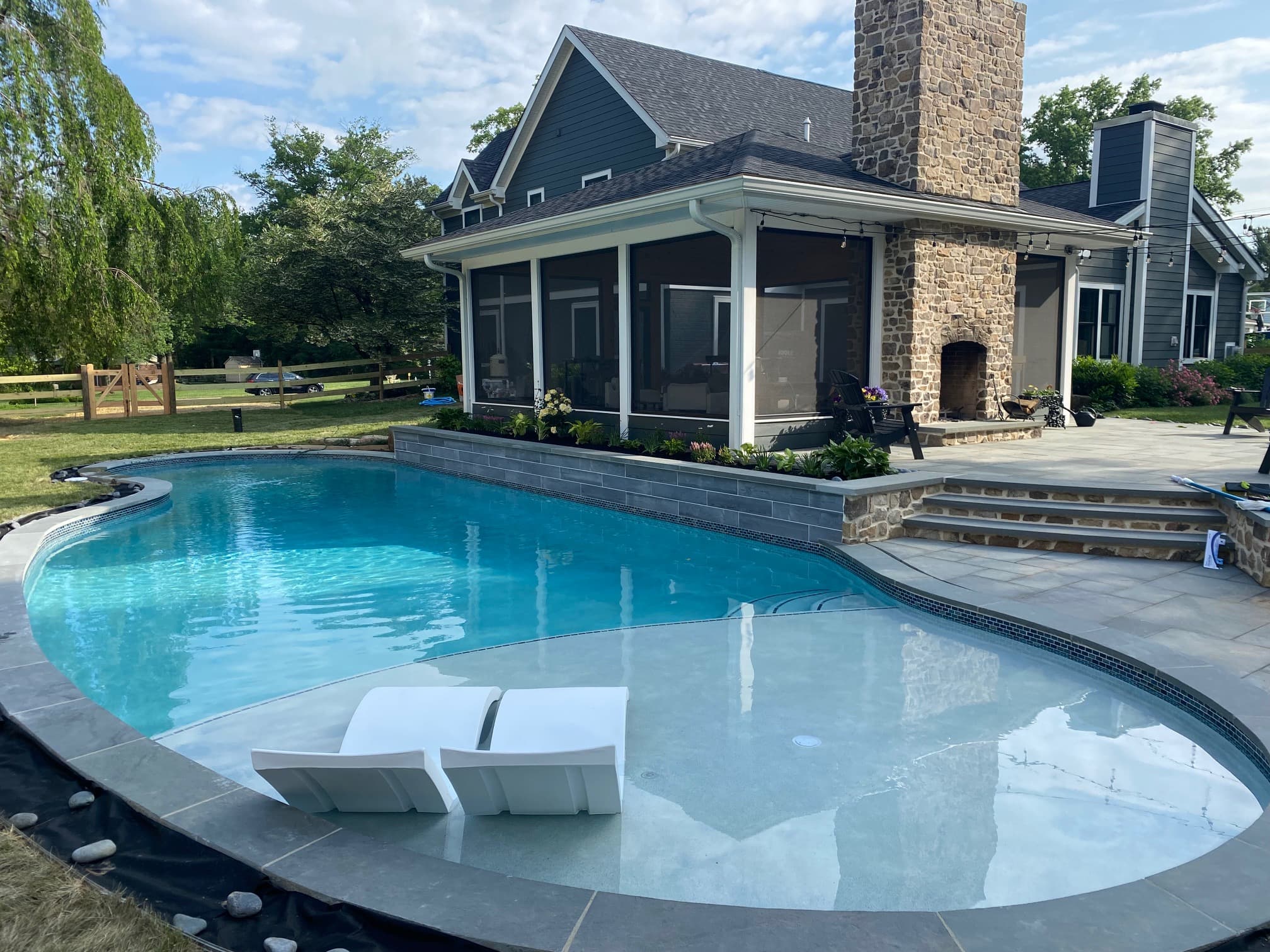
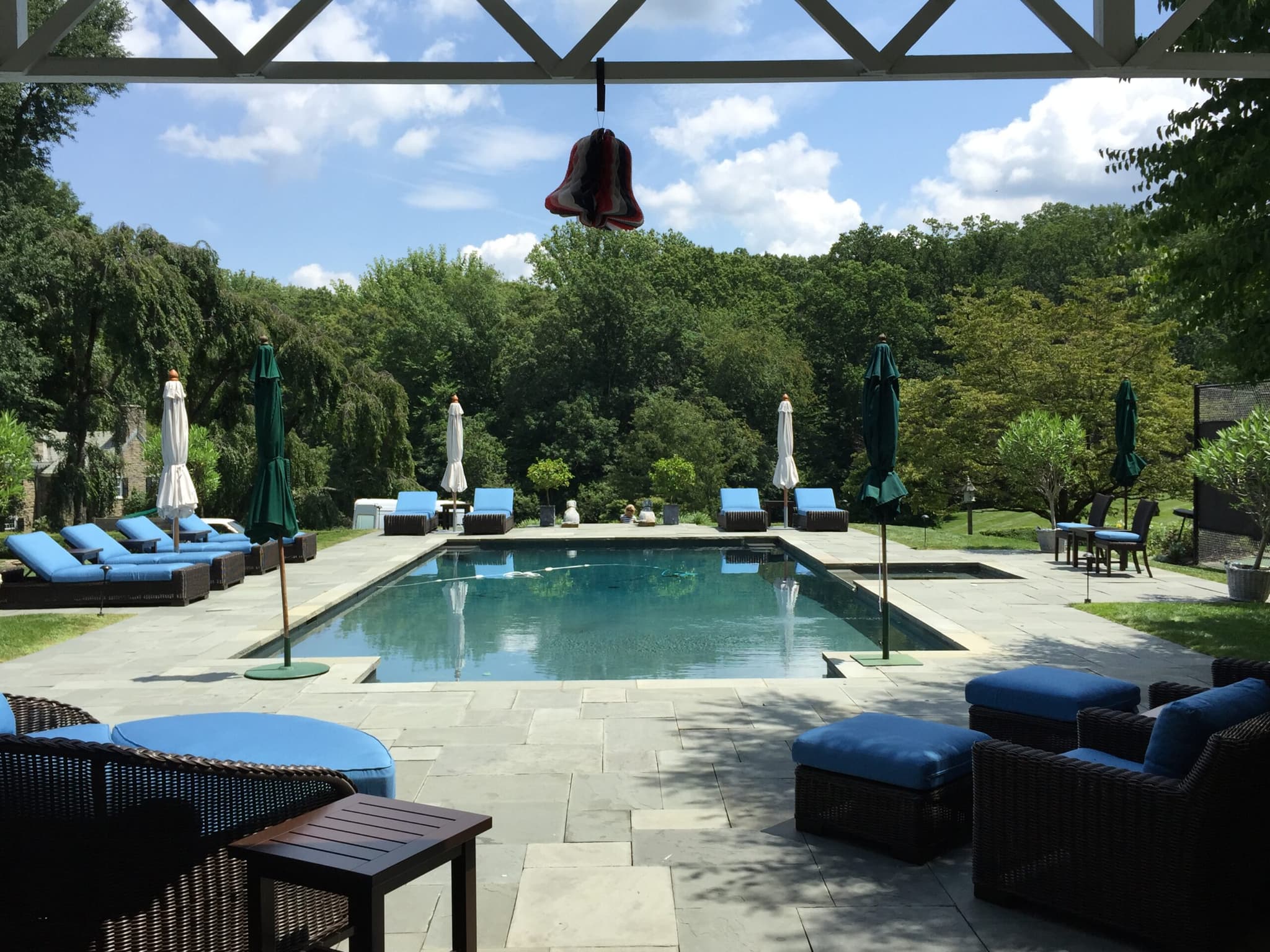
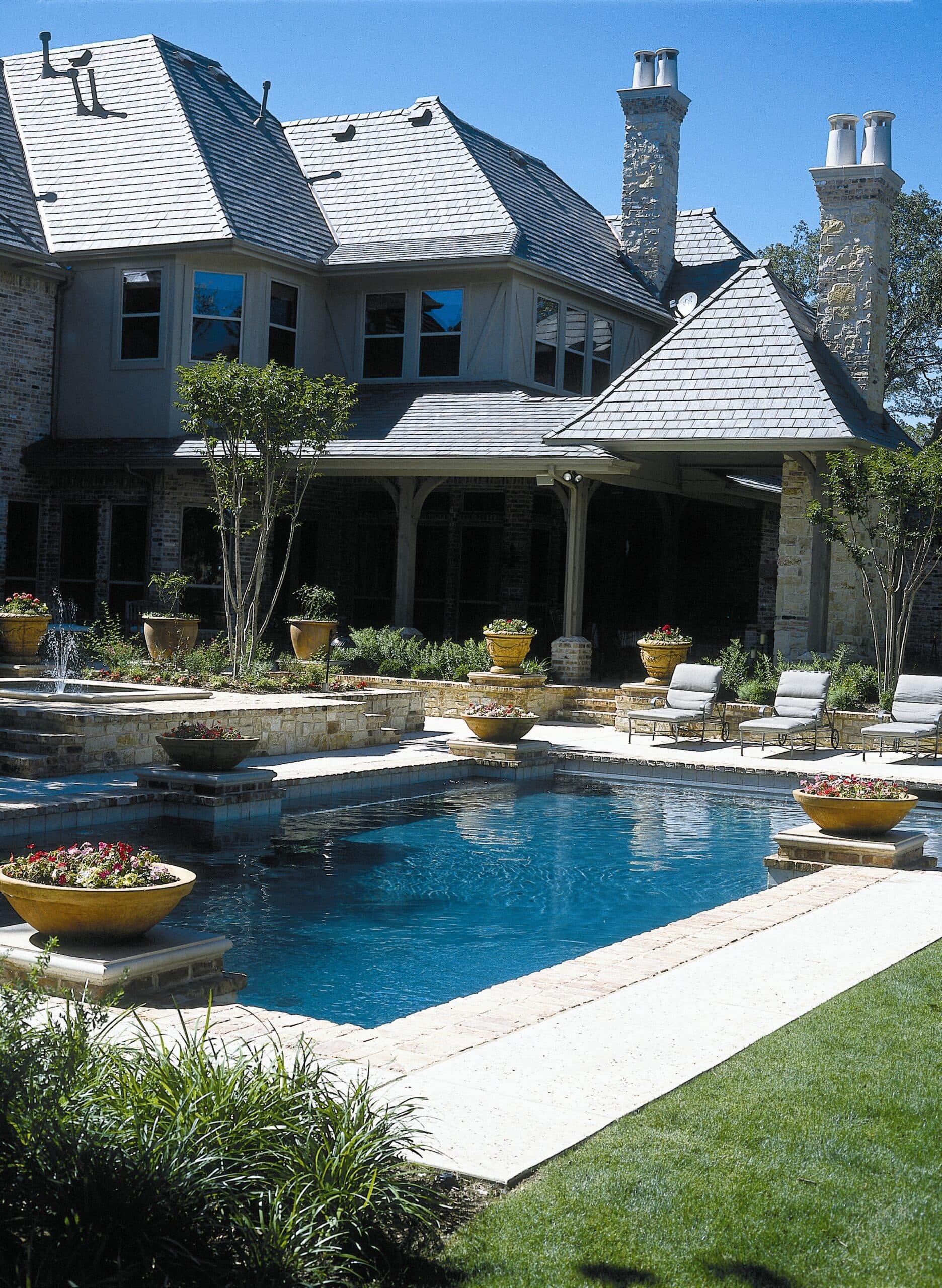
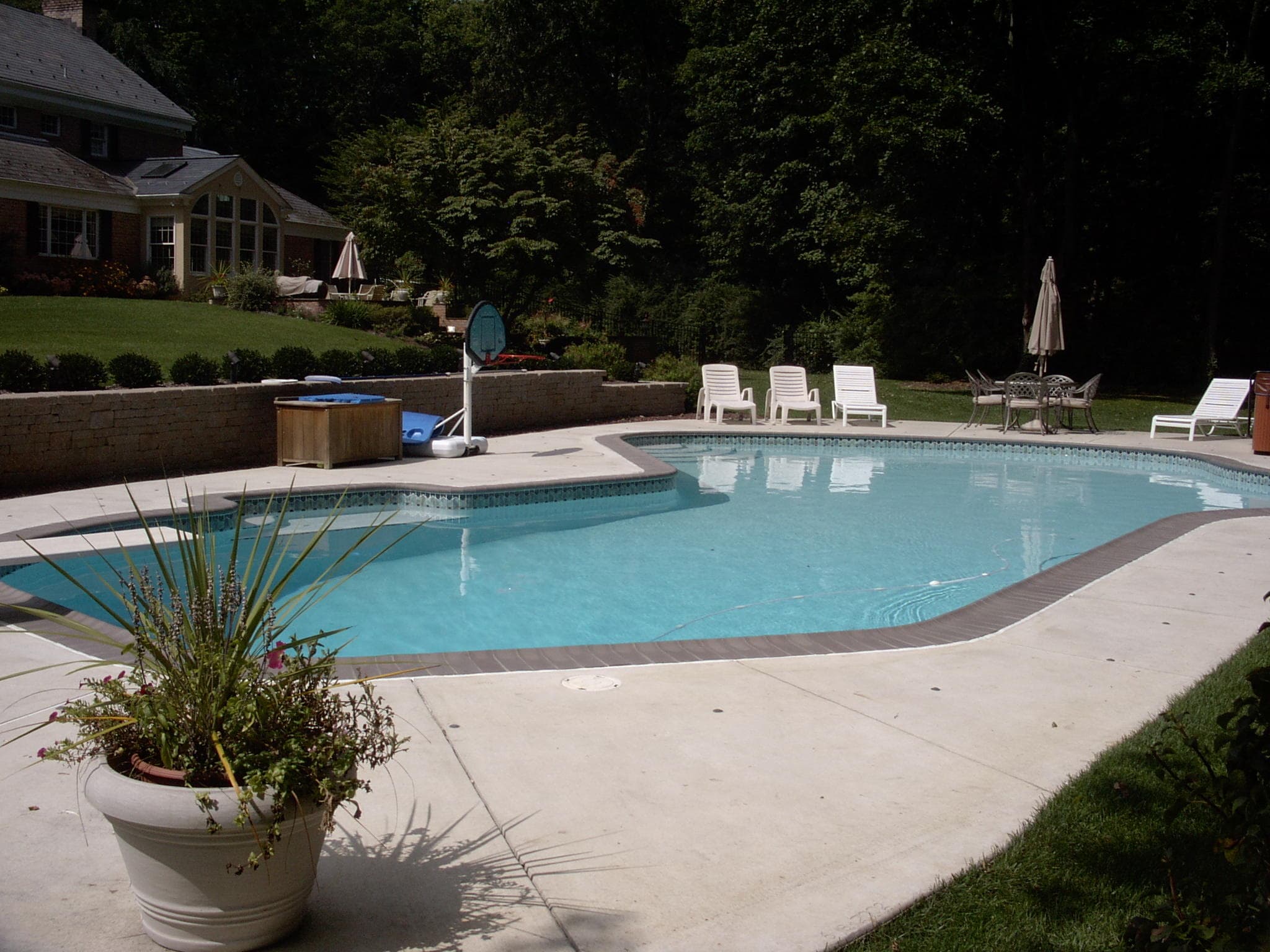
Browse our portfolio of pool resurfacing projects across our service area.
Our Process
We follow a proven process to ensure quality results and minimal disruption.
Consultation
Free on-site assessment and detailed quote
Preparation
Proper surface prep and protection of surrounding areas
Installation
Expert application using premium materials
Final Inspection
Quality check and customer walkthrough
Customer Reviews
“Outstanding work! The team was professional, punctual, and the results exceeded our expectations.”
Robert Williams
Doylestown, PA
January 2026
“From start to finish, the experience was excellent. Our pool looks brand new!”
Jennifer Davis
Newtown, PA
December 2025
Pool Resurfacing Services Near You
We provide pool resurfacing services across Pennsylvania, New Jersey, and Delaware.
Doylestown
PA
New Hope
PA
Warrington
PA
Newtown
PA
Chalfont
PA
Yardley
PA
Langhorne
PA
Levittown
PA
Bensalem
PA
Quakertown
PA
Perkasie
PA
Sellersville
PA
Ready to Get Started?
Contact us today for a free, no-obligation estimate for your pool resurfacing project.
Get Your Free Estimate